
Scroll below to see all the events that make up the past and history of our town of Wellesley.

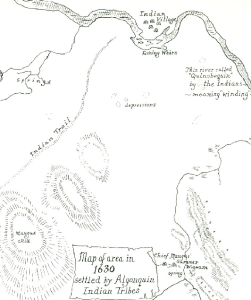
Algonquin speaking Native Americans led by chiefs Waban (the Wind) and Nehoiden.

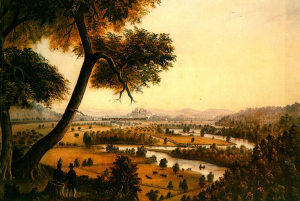
Andrew Dewing becomes the first English Settler in what would become Wellesley near Grove Street.

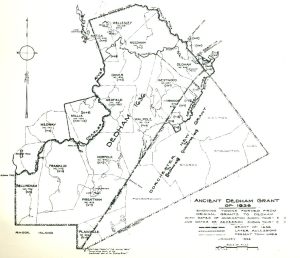
Settlers establish Dedham after their preacher’s hometown of which Wellesley is a part.

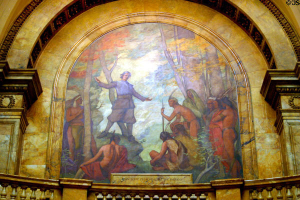
John Eliot and Native Americans build the Waban Brook Sawmill, one of the earliest in the country.

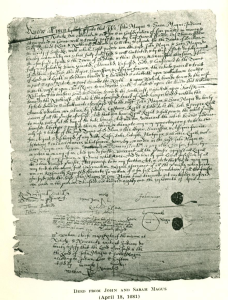
Settlers pay Chief Maugus 5 pounds currency and 3 pounds corn for the land that will become Wellesley.

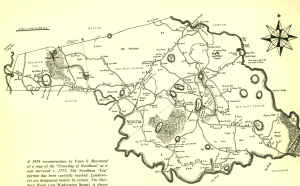
Needham becomes independent from Dedham and includes Wellesley (then known as West Needham)

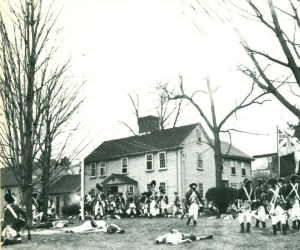
Amos Mills of Weston Rd. is killed fighting the British at the Jason Russell house in Arlington 1775.

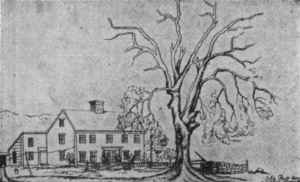
President George Washington stopped under this elm tree (formerly on the north side of Washington St between Ledyard and Columbia streets), for a drink of well water. This sketch of the Pratt House and Elm was made by Frederick Curtis in 1844.

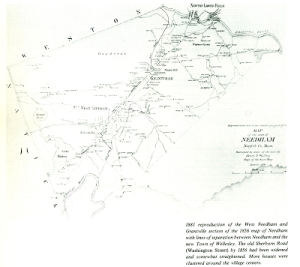
Wellesley Hills originally Nehoiden then the Port, North Needhamand then Grantville (after Moses Grant who gave the bell to the now Wellesley Hills Congregational Church.)

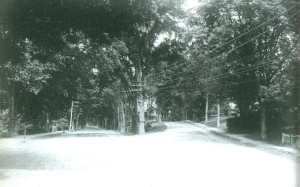
The Worcester Turnpike (on right side now Rt 9) is created to open Boston to commerce. It was used during the War of 1812 to transport troops from Boston to New York.

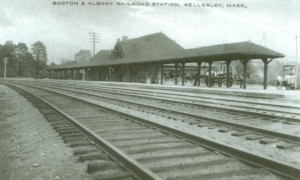
The railroad comes to West Needham bringing wealthy Boston businessmen and a 45 minute commute.

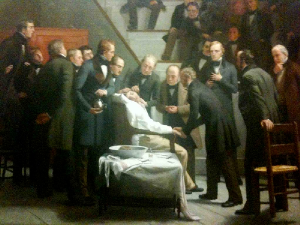
Dr. Morton (with flask) demonstrates the first use of ether as an anesthetic. Painting by Robert Hinckley.

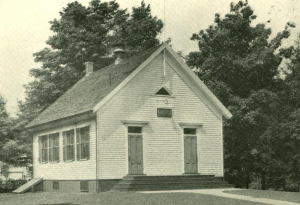
A one room schoolhouse is built on Weston Rd which is now the Fells Branch Library.

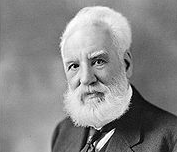
Alexander Graham Bell moved to West Needham (27 Washington St.) to recover from an illness; while teaching deaf students he worked on the telephone here.


Maugus Hall with recruiting posters on each side. Captain Fiske’s Company for heavy artillery poster on right. Captain Fiske was captured in 1863 during the assault on Fort Wagner South Carolina.

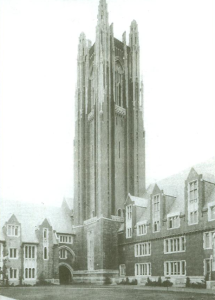
Wellesley College is founded.
Wellesley, population 2,500, separates from Needham. The Town is named as a tribute to Horatio Hollis Hunnewell who named his estate Wellesley after his wife’s family (Welles).

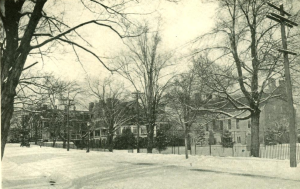
Dana Hall School is founded to prepare ladies for Wellesley College.

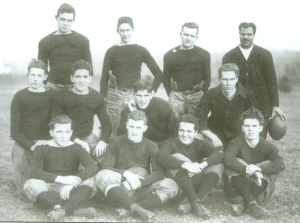
Oldest high school football rivalry starts on Morton field. Wellesley beats Needham 4-0. Picture of 1913 team.
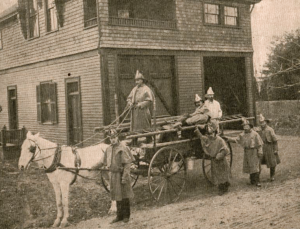
Hose 1 House was built on Church St for the Wellesley Volunteer Fire Brigade.

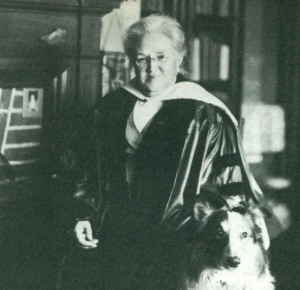
First performance of longtime resident Katharine Lee Bates’s America the Beautiful sung by Wellesley College and Wellesley Congregational Church’s choirs.

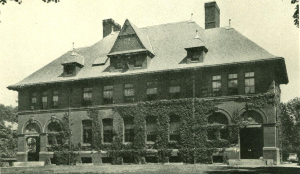
The first High School is built at 324 Washington St.
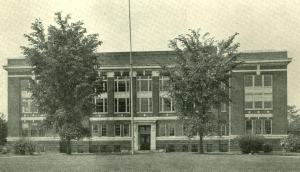
The second High School is built on Kingsbury St.

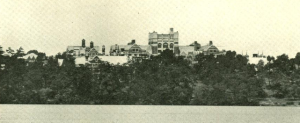
Wellesley College’s 1/8 mile long College Hall is destroyed by fire.
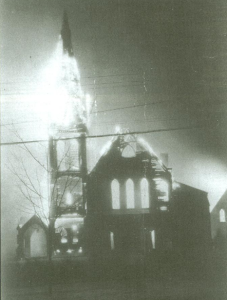
The Village Congregational Church is destroyed by fire.

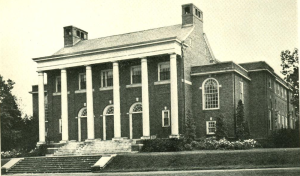
First classes held at Roger Babson’s house on Abbott Rd. Pictured is Knight Auditorium.

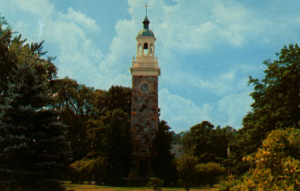
Isaac Sprague donates fieldstone to build the Clock Tower, Sprague School, Central St. Fire Station and Hills Library.

Wellesley Town Meeting changed from open to elected.

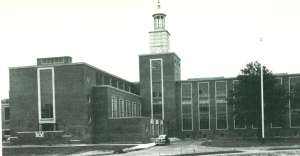
The new High School is built on Rice St as a public works project. It is named the Gamaliel Bradford Senior High School after Wellesley’s famous biographer.

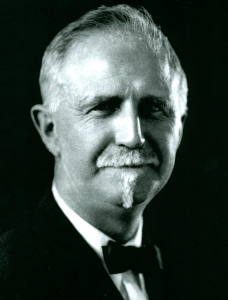
Roger Babson runs for president as the Prohibition Party candidate.

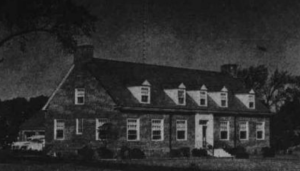
A new police station allows prisoners to no longer be kept in lockup in the basement of the Town Hall.

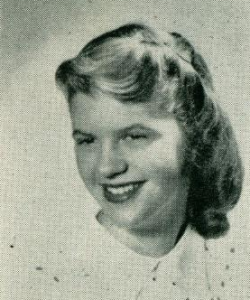
The disappearance of Sylvia Plath from her Elmwood home becomes the subject of her novel The Bell Jar.
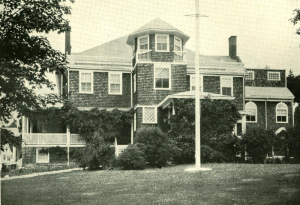
The Maugus Club a center of Wellesley’s social life is destroyed by fire

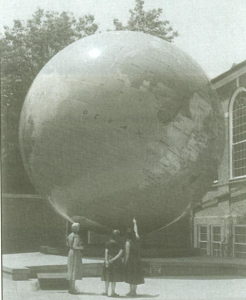
Roger Babson dedicates the 28 foot revolving globe along with the parlor from Sir Isaac Newtons London Home on the Babson Campus.

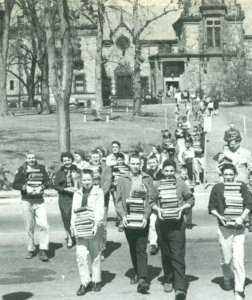
Hundreds of residents form a human chain to transfer books across Washington St. from the old library to the new.

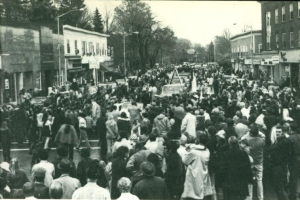
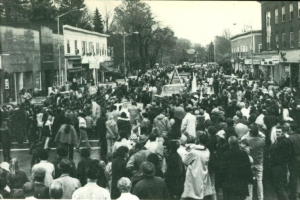
Wellesley’s annual Veteran’s Day Parade began. Photo is from 1970.

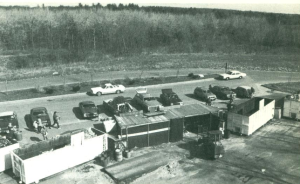
Wellesley becomes a ground breaking pioneer starting its award winning recycling program.

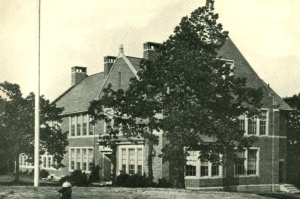
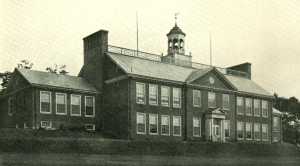
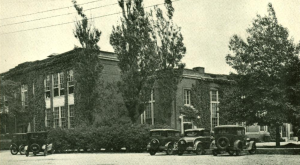
The Brown, Kingsbury and Phillips schools are turned into condominiums.

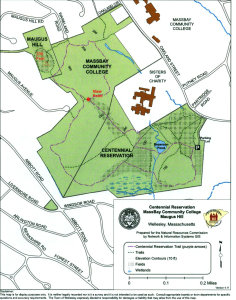
As a 100th birthday present the town creates Centennial Park.
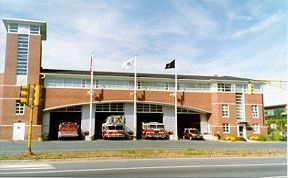
A new fire station headquarters is built on Worcester St replacing the 1889 building.

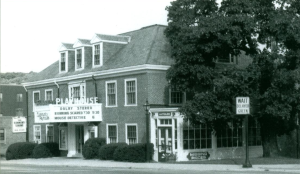
The Town’s movie theater for more than 50 years, the Community Playhouse shows its last film.

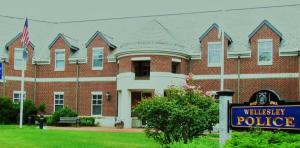
A new modern Police Station is dedicated on the site of the old one.

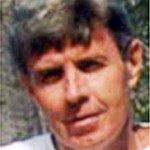
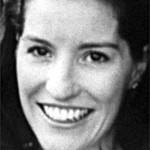
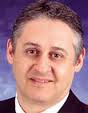
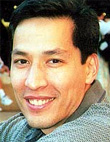
Four Wellesley residents (John Cahill, Neilie Casey, Edmund Glazer and Patrick Quigley) are killed in the terrorist attacks.

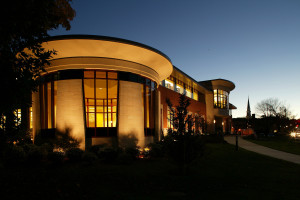
A new Public Library replaces the 1959 one on the same site.

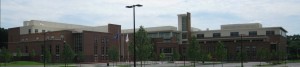
A new modern high School is built for $115 million dollars on the same site as the 1938 building. Photo by Joshua Dorin.
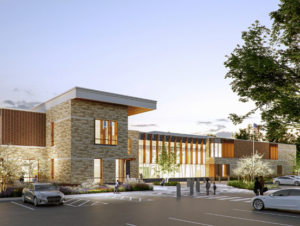
The new Hunnewell elementary school
The Wellesley elementary schools each serve particular neighborhood around town.